
Kirkham Priory loop walk.

Updated: Aug 7

Kirkham Priory Loop Walk – An Easy Yorkshire Walk with an Uphill Start
Our Kirkham Priory Loop Walk combines peaceful North Yorkshire countryside, the River Derwent and the atmospheric ruins of a medieval priory with a history stretching back around 900 years.
Lyn and I personally walked, photographed and GPS recorded this route for The White Shire.
We rate this walk as easy overall, although there is an uphill section at the start.
Once we've got that initial climb behind us, we found the remainder of the route much easier going.
But it's the setting that really makes this walk stand out for us. Kirkham Priory sits beside the River Derwent in a beautiful part of North Yorkshire, and the history here stretches from medieval monks right through to secret preparations for D-Day.
Kirkham Priory Loop Walk at a Glance
Route type: Loop
Difficulty: Easy overall – uphill at the start
Location: Kirkham Priory
County: North Yorkshire
Nearby: Malton, Whitwell-on-the-Hill and Castle Howard
Terrain: Countryside paths, tracks and natural surfaces
Highlights: Kirkham Priory, River Derwent, North Yorkshire countryside and medieval history
Walked and photographed by: Michael and Lyn Palmer, The White Shire
Our Kirkham Priory Loop Walk
Lyn and I found this to be a really enjoyable countryside route.
There is a climb near the beginning, so don't be surprised when an easy-rated walk immediately starts making you work a little harder than expected.
Fortunately, it doesn't define the whole route.
Once we'd tackled the uphill section, we found the walk much easier going overall.
And there's plenty around us to make the effort worthwhile.
Starting at Kirkham Priory
Kirkham Priory immediately gives this walk something special.
The ruins stand beside the River Derwent in a wonderfully peaceful setting.
English Heritage dates the foundation of Kirkham to around 1122, making the priory approximately 900 years old. It was established by Walter Espec, a wealthy and powerful northern lord. (English Heritage)
The first community lived around an existing parish church before beginning construction of a substantial stone monastery.
The Augustinian Canons of Kirkham
Kirkham wasn't technically an abbey.
It was home to Augustinian canons – ordained priests who lived together according to a monastic routine.
Their days included communal worship, reading, eating together and other religious duties, but because they were priests they could also have responsibilities outside the monastery.
Kirkham's canons served as chaplains and parish priests and became an important part of religious and community life in medieval North Yorkshire. (English Heritage)
The community survived here for more than four centuries.
Out into the North Yorkshire Countryside
Once we're away from the priory, the character of our walk changes.
We're leaving the ruins behind and heading into the surrounding countryside.
The initial uphill section requires a little more effort, but we don't think it's enough to move the overall route out of our easy category.
For us, that's useful information to know before setting off.
An easy walk doesn't necessarily mean completely flat.
It means that based on our experience of the route as a whole, we didn't find it particularly demanding.
A Landscape Shaped by the River Derwent
The River Derwent is an important part of Kirkham's setting.
It's easy to understand why the medieval community established itself here.
Water was essential to monasteries for drinking, washing and sanitation, as well as supporting agriculture and other aspects of everyday life.
Today, the river contributes to a very different experience.
We're here because it's a beautiful landscape to explore on foot.
That's quite a change from the reasons people were living and working here 900 years ago.
Kirkham's Remarkable Gatehouse
If there's one part of the ruins worth taking a closer look at, it's the gatehouse.
Built around 1300, it was much more elaborate than a simple entrance.
Its surviving stonework includes the coats of arms of powerful northern families alongside religious imagery.
Among the carvings are representations of St George slaying the dragon and David fighting Goliath. (English Heritage)
English Heritage describes the gatehouse as Kirkham Priory's greatest surviving glory. (English Heritage)
It's another reason we'd allow time to explore the ruins rather than simply treating the priory as the starting point for our walk.
Difficult Times at Kirkham Priory
Life at Kirkham wasn't always peaceful.
During the early 14th century, warfare between England and Scotland badly affected the monastery.
Scottish armies penetrated into northern England, and Kirkham lost income from estates and churches in Northumberland.
By 1357 the monastery's debts had reached £1,000 – an enormous amount of money at the time – and some of the canons had to be dispersed to other Augustinian houses. (English Heritage)
The priory eventually recovered, and building work continued.
The Dissolution of Kirkham Priory
The medieval community finally came to an end in 1539.
Henry VIII's Dissolution of the Monasteries brought more than 400 years of religious life at Kirkham to a close. (English Heritage)
Over time, the buildings fell into ruin.
But the story of Kirkham was far from finished.
And this is where its history takes a rather unexpected turn.
Kirkham Priory and D-Day
Nearly four centuries after the last canons left, Kirkham Priory became involved in another major episode of British history.
During the Second World War, the grounds were used for secret military research connected with preparations for the D-Day landings of 1944.
Winston Churchill was among the high-profile visitors to the top-secret site, along with members of the Royal Family. (English Heritage)
We find that extraordinary.
We're standing amongst the ruins of a medieval monastery, but the same site also played a part in preparations for one of the most important military operations of the Second World War.
That's exactly the sort of unexpected Yorkshire history we enjoy uncovering.
Why We Rate the Kirkham Priory Loop Easy
Our difficulty ratings are based on how Lyn and I personally experienced each route.
We rate Kirkham Priory as easy overall.
But there's an important qualification.
The walk goes uphill at the start.
So you'll encounter some effort quite early in the route.
Once we'd completed that initial section, however, we found the walk much easier going.
That's why we'd rather describe it as:
Easy – with an uphill start.
It gives a much better idea of what to expect than simply putting the walk into a generic difficulty category.
Countryside Conditions
As with most of our rural Yorkshire walks, conditions can vary considerably depending on the weather.
A path that's perfectly straightforward during a dry spell can become muddy after several days of rain.
We'd therefore still wear proper walking footwear despite giving the route an easy rating.
We're also travelling through working countryside, so we stick to public paths, respect livestock and leave gates as we find them.
Visiting Kirkham Priory
It's worth allowing some extra time for the priory itself.
English Heritage currently lists Kirkham Priory as free to enter and open during reasonable daylight hours. There is also free parking outside the gate, although English Heritage doesn't manage the parking area. (English Heritage)
Opening and access arrangements can change, so we'd always check the official information before making a special journey.
Is Kirkham Priory Suitable for Beginners?
Potentially, yes.
If you're reasonably comfortable with countryside walking and don't mind an uphill section at the beginning, we think it's an approachable route.
The main thing is knowing about that climb beforehand.
If somebody sees the word easy and expects a completely flat walk, the beginning might come as a surprise.
Once we're beyond it, the overall route becomes much more relaxed.
A Quieter Part of North Yorkshire
One of the things we particularly like about Kirkham is that it feels quite different from some of Yorkshire's heavily promoted attractions.
The ruins themselves are historically important, but we're also surrounded by countryside and the River Derwent.
It's somewhere where we can combine a walk with a genuine piece of Yorkshire history without feeling that the entire place has been created around tourism.
That suits The White Shire perfectly.
More North Yorkshire Walks
Kirkham Priory adds yet another type of route to our growing North Yorkshire collection.
We've explored the battlefield at Towton.
We've walked beside the Selby Canal.
We've wandered through Bishop Wood.
We've followed the River Wharfe around Bolton Abbey.
And we've explored villages and landscapes throughout the Yorkshire Dales.
Kirkham gives us another combination altogether – countryside, riverside scenery and almost 900 years of history.
Discovering the Real Yorkshire
Kirkham Priory is exactly the sort of place we want people to discover through The White Shire.
There are the obvious ruins.
But then we start digging a little deeper.
We discover the Augustinian canons who lived here for more than four centuries.
We notice medieval carvings on the gatehouse.
We learn about the effects of war with Scotland.
And then, completely unexpectedly, Winston Churchill appears in the story because secret D-Day research was taking place amongst the ruins.
That's what we mean when we talk about discovering the real Yorkshire.
Go for a walk and there's no telling what we'll find.
The landscape becomes more interesting when we understand the people who lived, worked and sometimes changed history within it.
About Michael and Lyn
Michael and Lyn Palmer explore Yorkshire together on foot, personally walking, photographing and GPS recording the routes featured on The White Shire.
We're not professional hikers or historians.
We're simply a husband and wife who enjoy getting outside together, discovering interesting places and learning more about Yorkshire along the way.
Our difficulty ratings are based on how we personally experienced each route.
Kirkham Priory Loop Walk – Our Verdict
Lyn and I rate the Kirkham Priory Loop Walk as easy overall, but with an uphill section at the start.
It's worth knowing about the climb before setting off, but we didn't find the remainder of the route particularly demanding.
For us, though, the real attraction is the combination of countryside and history.
Kirkham Priory was founded around 1122 and remained home to Augustinian canons until its dissolution in 1539. Centuries later, the same grounds were used for secret military research connected with preparations for D-Day. (English Heritage)
That's quite a story for one peaceful corner of North Yorkshire.
Add in the River Derwent and surrounding countryside, and we think this makes a lovely easy Yorkshire walk with considerably more to discover than we initially expected.
Another little piece of the real Yorkshire explored on foot.

Kirkham Priory loop walk 
Kirkham Priory loop walk 
Kirkham Priory loop walk 
Kirkham Priory loop walk 
Kirkham Priory loop walk 
Kirkham Priory loop walk 
Kirkham Priory loop walk 
Kirkham Priory loop walk 
Kirkham Priory loop walk 
Kirkham Priory loop walk 
Kirkham Priory loop walk 
Kirkham Priory loop walk 
Kirkham Priory loop walk 
Kirkham Priory loop walk 
Kirkham Priory loop walk 
Kirkham Priory loop walk 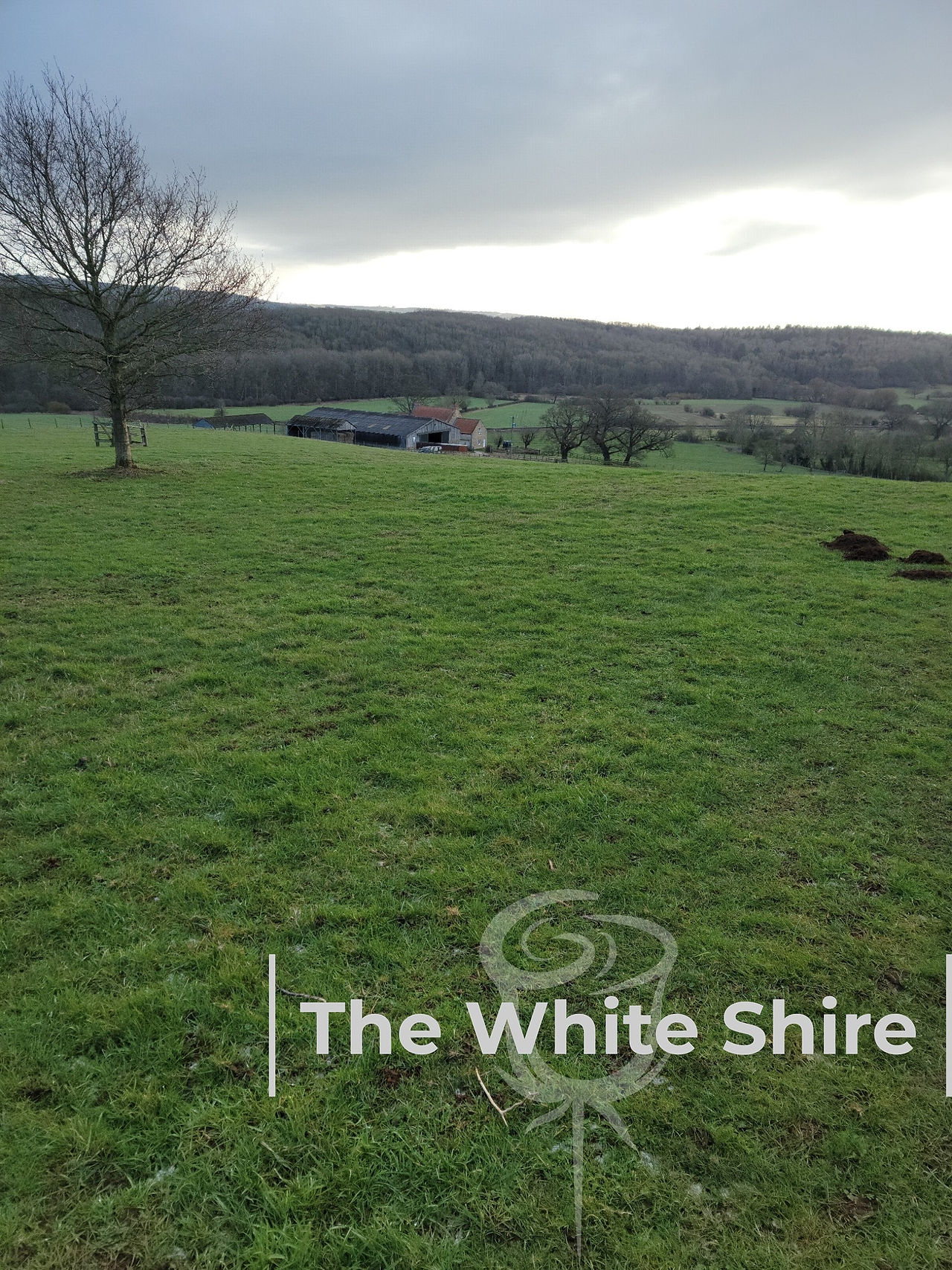
Kirkham Priory loop walk 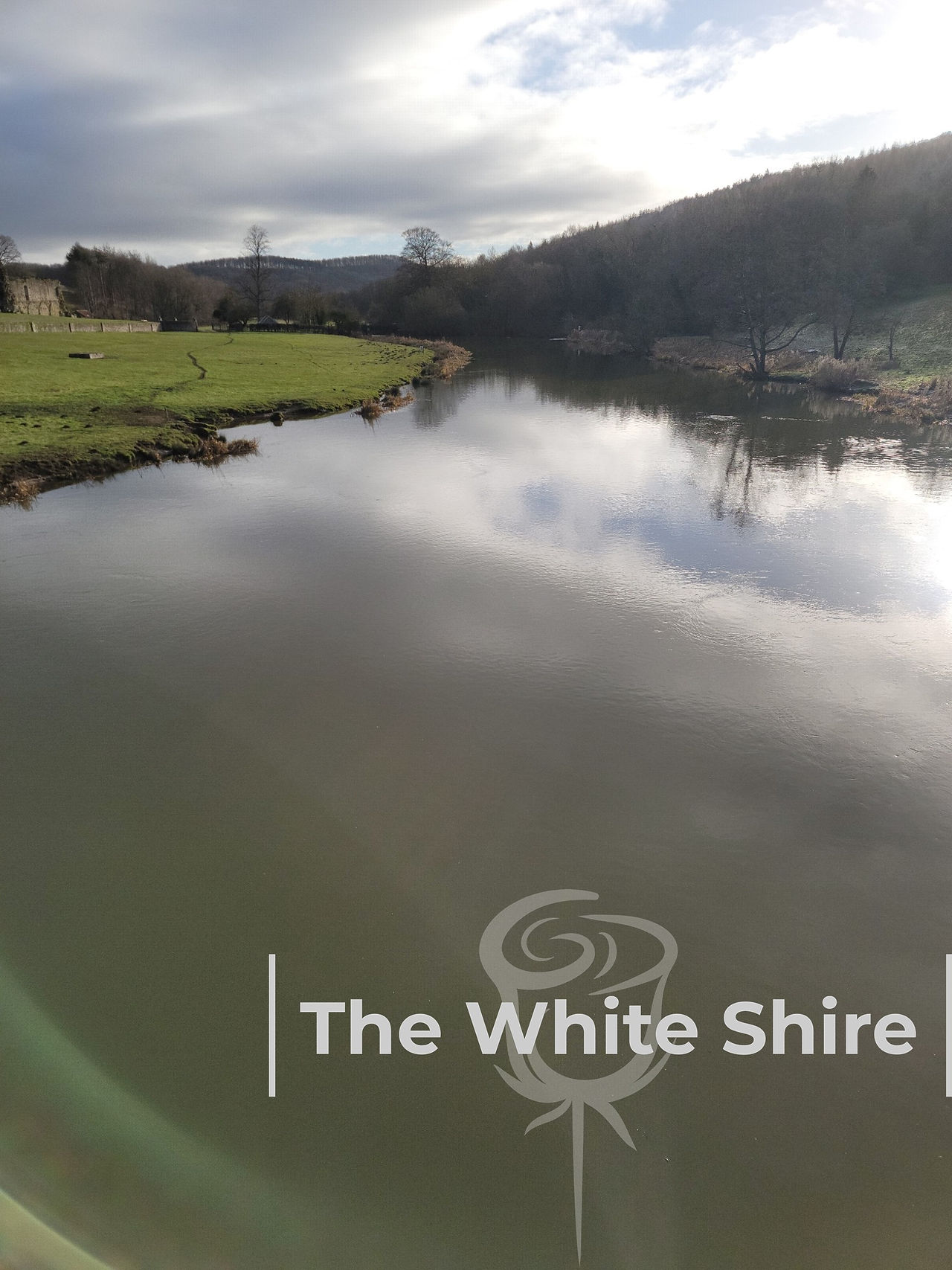
Kirkham Priory loop walk 
Kirkham Priory loop walk


Comments