
Understanding the Historical Role of Aire and Calder

Updated: Dec 9, 2025
Yorkshire is a region rich in history and natural beauty. Among its many treasures, the rivers Aire and Calder have played a significant role in shaping the landscape and communities around them. These waterways have been central to trade, industry, and transport for centuries. Today, they offer a unique glimpse into Yorkshire’s past and present, inviting us to explore their historical landmarks and appreciate their ongoing importance.
Historical Landmarks in Yorkshire: A Journey Through Time
Yorkshire is home to numerous historical landmarks that tell stories of its industrial heritage, cultural evolution, and natural environment. From ancient castles to old mills and canal systems, the region’s landmarks provide insight into how people lived and worked over the centuries.
One of the most fascinating aspects of Yorkshire’s history is its connection to waterways. The rivers and canals were vital for transporting goods and raw materials during the Industrial Revolution. Many towns and cities grew around these waterways, benefiting from the trade and commerce they supported.
For example, the Aire and Calder Navigation, a network of canals and river improvements, was crucial in linking inland towns to the port of Goole. This allowed for the efficient movement of coal, wool, and other products, boosting the local economy. Today, you can still see remnants of this infrastructure, such as old locks, warehouses, and bridges, which serve as historical landmarks.

Visiting these sites offers a chance to connect with Yorkshire’s industrial past and understand how waterways shaped the region’s development. Many of these landmarks are accessible via walking routes, making them perfect for those who enjoy combining history with outdoor activities.
Where is the Aire river?
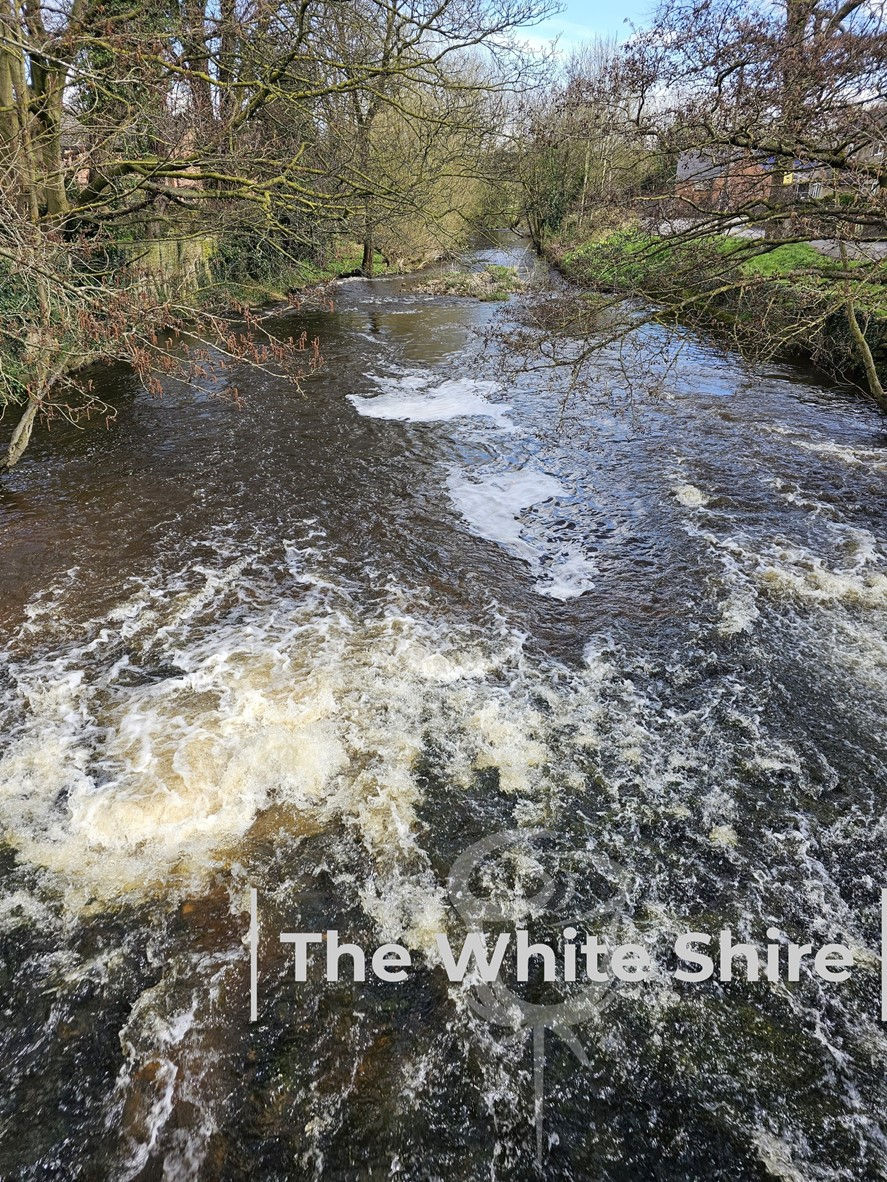
The River Aire flows through the heart of Yorkshire, starting from the Pennines and moving eastward towards the Humber Estuary. It passes through several key towns and cities, including Leeds, Castleford, and Knottingley, before joining the River Ouse near Goole.
This river has been a lifeline for the communities along its banks. Historically, it provided water for agriculture, powered mills, and served as a transport route. The Aire’s course through urban and rural areas highlights the diverse ways in which it has influenced local life.
Along the river, you can find a variety of historical sites, such as old mills and bridges, that reflect the changing uses of the waterway over time. Walking or cycling along the Aire offers a scenic and educational experience, with plenty of opportunities to explore Yorkshire’s heritage.
The Industrial Impact of Waterways in Yorkshire
The Industrial Revolution transformed Yorkshire, and waterways like the Aire and Calder were at the centre of this change. Before railways and modern roads, rivers and canals were the most efficient means of moving heavy goods.
The Aire and Calder Navigation was developed to improve navigation and connect industrial centres with ports. This network included locks, weirs, and canals that allowed barges to transport coal, textiles, and other materials. The improvements made to the waterways helped Yorkshire become a powerhouse of industry.
Many towns along the Aire and Calder grew rapidly due to their access to these transport routes. Factories and warehouses sprang up near the water, creating jobs and boosting local economies. The legacy of this industrial boom is still visible in the architecture and layout of these towns.
For those interested in industrial history, visiting these waterways and their associated landmarks offers a tangible connection to the past. You can see how engineering and commerce combined to shape the region’s growth.
Exploring the Aire and Calder Today
Today, the aire and calder waterways are enjoyed not only for their historical significance but also for leisure and tourism. The canals and rivers provide beautiful walking and cycling routes that showcase Yorkshire’s natural and built heritage.
Many local groups and organisations work to maintain and promote these waterways. They organise events, guided walks, and educational programmes that highlight the history and ecology of the area. This makes the Aire and Calder a vibrant part of Yorkshire’s community life.
If you are planning a visit, consider exploring the towpaths and nearby villages. You will find charming pubs, local shops, and cultural sites that add to the experience. Whether you are interested in history, nature, or simply a peaceful walk, the Aire and Calder offer something for everyone.
How to Make the Most of Your Visit to Yorkshire’s Waterways
To fully appreciate the historical role of the Aire and Calder, it helps to plan your visit with a few practical tips:
Choose your route carefully - There are many walking and cycling paths along the waterways. Some are short and easy, while others cover longer distances. Pick a route that suits your interests and fitness level.
Visit local museums and heritage centres - These often have exhibits about the waterways and their impact on the region. They provide context and stories that bring the landmarks to life.
Look for guided tours - Local guides can offer detailed insights and point out hidden features you might miss on your own.
Bring a camera - The combination of industrial heritage and natural scenery makes for great photography opportunities.
Support local businesses - Many small shops, cafes, and pubs near the waterways offer a warm welcome and a chance to sample Yorkshire hospitality.
By following these tips, you can enjoy a rich and rewarding experience that connects you with Yorkshire’s past and present.
Embracing Yorkshire’s Heritage Through Its Waterways
The historical role of the Aire and Calder is a testament to Yorkshire’s resilience and innovation. These waterways helped transform the region into an industrial hub and continue to be a source of pride and enjoyment.
Exploring the historical landmarks along the rivers and canals offers a unique way to engage with Yorkshire’s heritage. It allows us to appreciate the hard work and ingenuity of past generations while enjoying the natural beauty of the area.
Whether you are a resident or a visitor, taking time to discover the stories and sites connected to the Aire and Calder enriches your understanding of Yorkshire. It also supports local communities and businesses that keep this heritage alive.
I encourage you to explore these waterways and their landmarks. You will find history, nature, and culture all flowing together in a way that only Yorkshire can offer.
Understanding the Historical Role of Aire and Calder


Comments